
The mission was always to keep support free
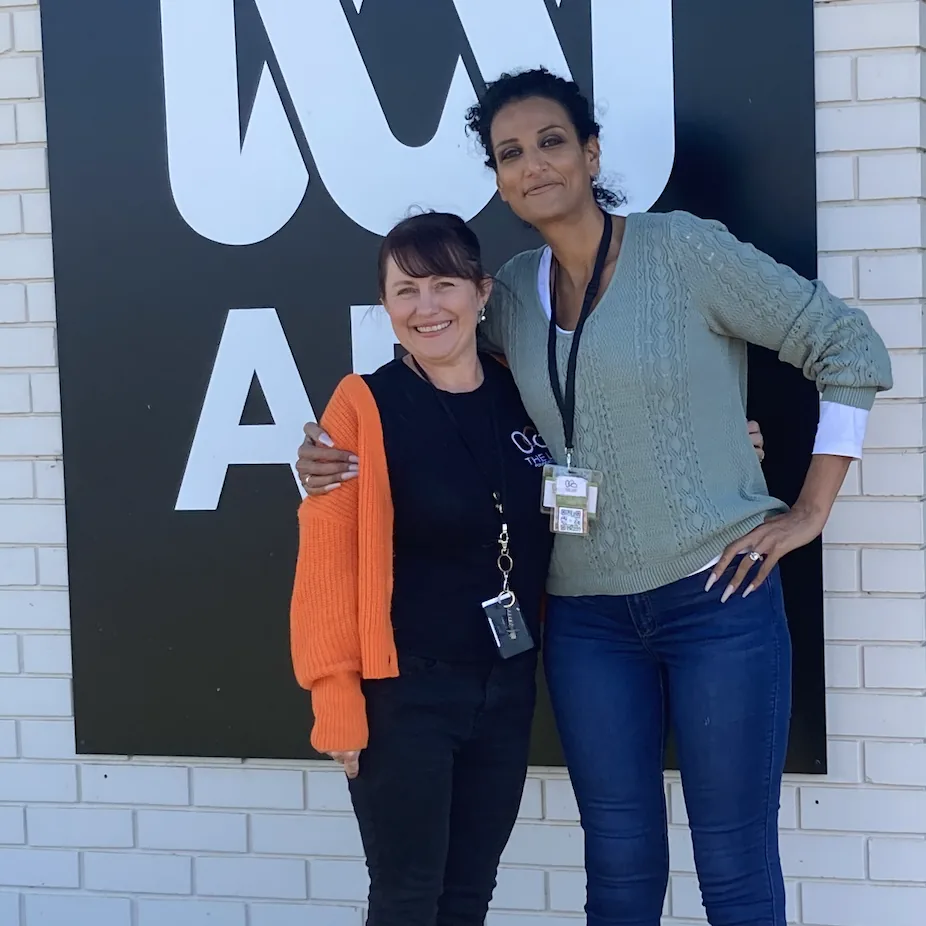
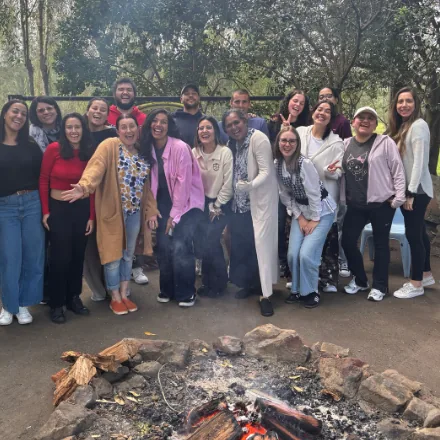
Link Foundation was founded by Renee and Paula, who had seen firsthand what substance use does to individuals, their families and the people around them. They set out to create the kind of accessible support they knew the community needed. Paula has since stepped back, and Renee now leads the organisation as Acting Director, continuing to develop and expand its services.
Today Link Foundation provides free alcohol and other drug (AOD) counselling, family support and programs across Sydney and the rest of Australia.
A new program. No extra team to run it
Link Foundation wanted to expand its free AOD counselling services. It receives no ongoing government funding, so growth required a different approach.
One of its biggest challenges has been finding sustainable ways to keep providing and expanding free services without placing the financial burden on the people seeking AOD support. Rather than relying solely on grants, Link developed another way to fund the work.
That way was TOIP, the Traffic Offenders Intervention Program: a court recognised program for people who have committed traffic offences, including offences involving alcohol and other drugs.
There is a strong connection between TOIP and Link Foundation’s broader work. The program focuses on alcohol and drug use, risky driving behaviour, decision making and behaviour change, issues that intersect directly with the work Link’s AOD services already do. The people in that room are often the people Link already supports.
For Link, TOIP became more than another program. Rather than operating it as a separate commercial venture, TOIP forms part of a broader charitable model: funds received through the program are directed straight back into the Foundation. Participants accessing counselling are never asked to pay for that support, while the Foundation can continue building its capacity and reaching more people.
Establishing it was the problem. TOIP required an entirely new operational system alongside the existing services. At the beginning there was:
- No dedicated TOIP website
- No streamlined enrolment or payment process
- No centralised participant database
- No automated court reporting system
And the only team available to run it was the same team already delivering free counselling.
The challenge was not simply delivering the program. Link had to determine how TOIP would operate from enrolment through to completion, build the systems required to manage participants and reporting, and do all of that while continuing to deliver its existing free AOD services.
Designing the operation, not just the system
Link Foundation did not arrive with a specification. They arrived with a funding problem and an idea, so the first job was working out how the program would run:
- What happens when a magistrate refers someone
- How that person finds the course, picks a date and pays
- What the facilitator needs on the day
- What the court needs afterwards
That shaped how we worked. Rather than asking Link to define every requirement before development started, we worked in an agile cadence: short cycles, regular checkpoints, decisions made together as it took shape. When you are designing a service and building its system at the same time, every cycle is a decision about how the service will actually run.
Then we mapped the journey from first click to court report, and built every piece:
- The dedicated TOIP website
- The streamlined enrolment and payment process
- Session scheduling that publishes straight to the site
- A centralised participant database
- Court reports and completion certificates generated from records already in the system
The system had to reflect the way TOIP actually operates, not add another thing to administer.
“You guys have been amazing to work with. Everyone’s very, very easy to get in touch with, and so quick at getting back to me.”
One person runs the whole thing
Caitlin Westwell, Link Foundation’s Community Engagement Program Coordinator, manages TOIP alongside her other work. Sessions go on the calendar and appear on the website immediately. Someone enrols, pays, and lands in the system without anyone re-typing a thing. They are added to their session and confirmed by email automatically.
“The system’s great. It’s very easy. You can just find everything. It’s so straightforward.”
More than 100 people have been through the program. Today TOIP runs court recognised sessions every month, in person in Penrith and online, with an eight module curriculum delivered by former police officers and qualified counsellors.
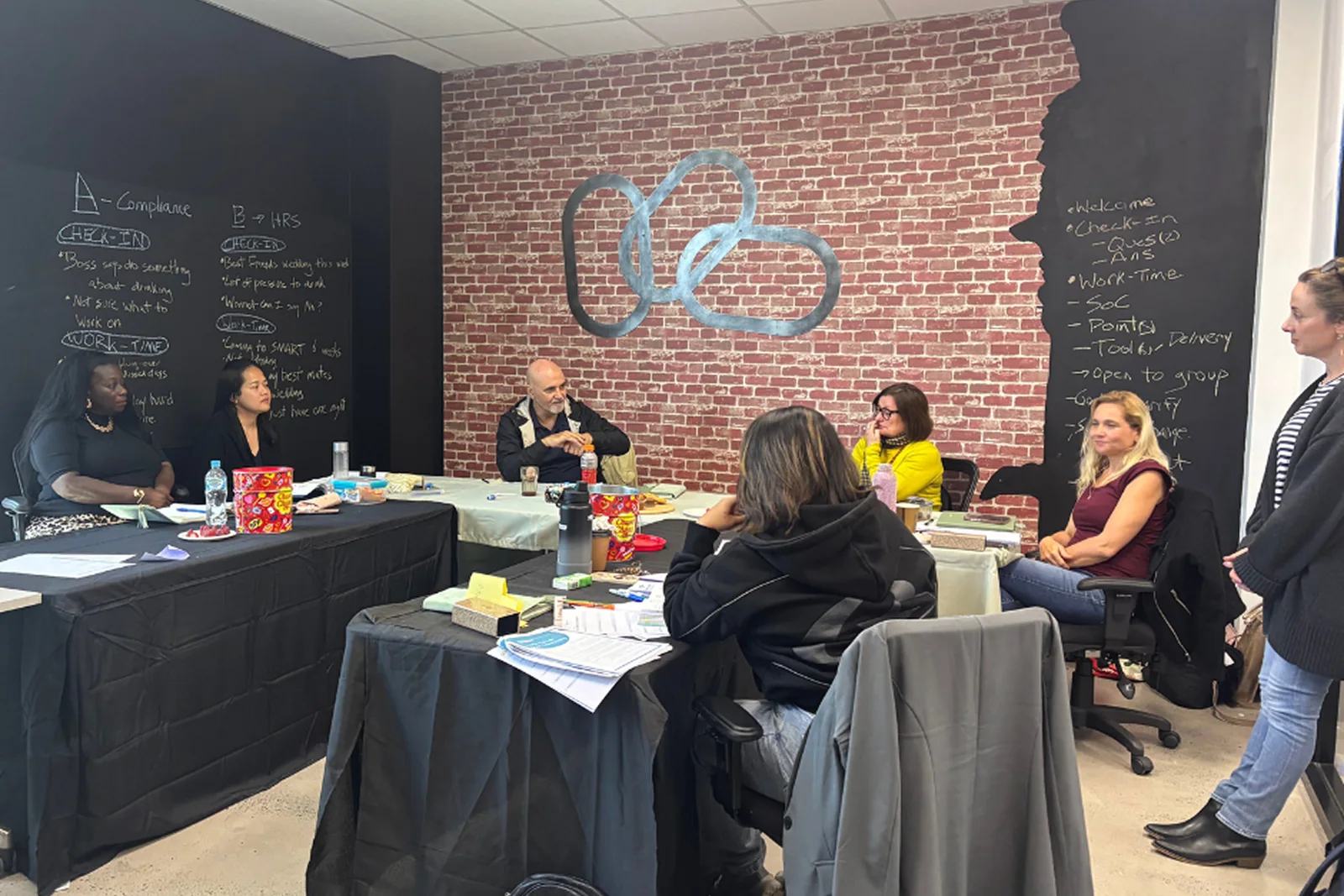
A small team cannot put a person on every step of a process. Automating the steps is what lets one coordinator run an entire program, and what lets Link Foundation keep the counselling free.
The system supports a bigger purpose
Development is only half the story. The other half is clarity about who you are, the shape of your organisation, and where you are trying to get to. Link Foundation came to us with a cause and a funding problem, and we worked out the model alongside them. Technology was not a line item in their strategy; it was what made the strategy possible.
Link Foundation owns the platform outright. We support it and keep building, and the team is refining how TOIP communicates with participants as the program grows. The model was designed around one principle: funds received by the Foundation should ultimately feed back into its purpose, providing accessible AOD support to people who need it. The system is what makes that work day to day.
If your organisation is in the same position, with a service to run and nobody spare to run it, Book a meeting with us